
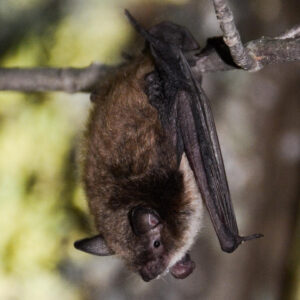
Bats are widely misunderstood creatures, but these intriguing flying mammals are actually amazing allies for gardeners. They are THE predator for night-time insects including mosquitoes, cockroaches, gnats, moths, lacewings, and beetles; they are also pollinators for some night-blooming plants including cacao (chocolate). Their echolocation abilities are studied for ways to assist the blind; the fascinating saliva of vampire bats is of interest to scientists interested in breaking up blood clots in humans.
🦇NC has 17 species of bats, 3 are on the endangered species list, and 1 is threatened. Helpfully, they are all insectivorous (insect-eating).
🦇Bats can live 20-30 years in the wild. Bat moms usually only have 1 pup per year.
🦇Bats have a very high metabolism and have to eat a LOT of insects to survive. A single Big Brown Bat can eat between 3,000 and 7,000 mosquitos in a night! Bats in general save the corn industry over $1 billion annually in pest control.
🦇Sadly, bat populations are in trouble, including here in NC. A fungal disease called White Nose Syndrome has severely impacted our bats. Habitat loss is another factor.
🦇The good news is that gardeners can help bats! Like other wildlife, they need a safe place to rest (they spend a lot of time sleeping) and raise their young; they also need good sources of food.
🦇Some easy ways to help bats:
- plant more native plants,
- leave the leaves in winter for bat snacks,
- hold off on using pesticides,
- if it’s safe, leave dead standing trees on your property for deluxe bat habitat,
- set up bat houses on your property.
- avoid hiking in caves and mines during winter, to avoid disturbing hibernating bats. If they wake up too early, they won’t be able to find anything to eat.
Do you have a bat that has taken up residence someplace you prefer it didn’t? The NC Wildlife Resources Commission has some helpful info.
Further reading:
Bat Conservation International, National Library of Medicine – Vampire Bats Go With the Flow, National Wildlife Federation – October is Bat Appreciation Month, North Carolina Bat Working Group, North Carolina Museum of Natural Sciences – Bat Faq, North Carolina State Extension – Bats, North Carolina Wildlife Federation – Meet Some of NC’s Most Intriguing Residents: Bats, North Carolina Wildlife Resources Commission – Bat, North Carolina Wildlife Resources Commission – Bats of North Carolina